
A brand partnership can introduce two businesses to each other’s customers, but a familiar name doesn’t automatically make the pairing appealing. Good brand partnerships depend on brand fit and whether the product appeals to customers.
In Episode 180 of MOCK, the podcast, we discuss collaborations involving L.L.Bean, Crocs, movie promotions, and familiar snack brands. As a graphic design and advertising agency, we’re interested in what each name brings to the pairing, starting with whether the combination makes sense.
Key Takeaways
- A strong brand partnership pairs compatible values and complementary offerings, with shared audiences and goals supporting brand alignment.
- Familiar names can attract attention, but each product still needs to appeal to customers. Merchandise, apparel, and snack combinations can prompt very different reactions.
- Movie promotions, character-themed products, and jointly branded merchandise can all involve partnerships, but the label doesn’t explain the business arrangement.
- Businesses can assess customer response and ROI alongside whether the product genuinely appeals to customers.
Choosing the Right Partner
Dunkin’ and L.L.Bean make an unexpected visual combination. Pink and orange aren’t necessarily the colors you associate with L.L.Bean, but the brands share Northeastern roots.
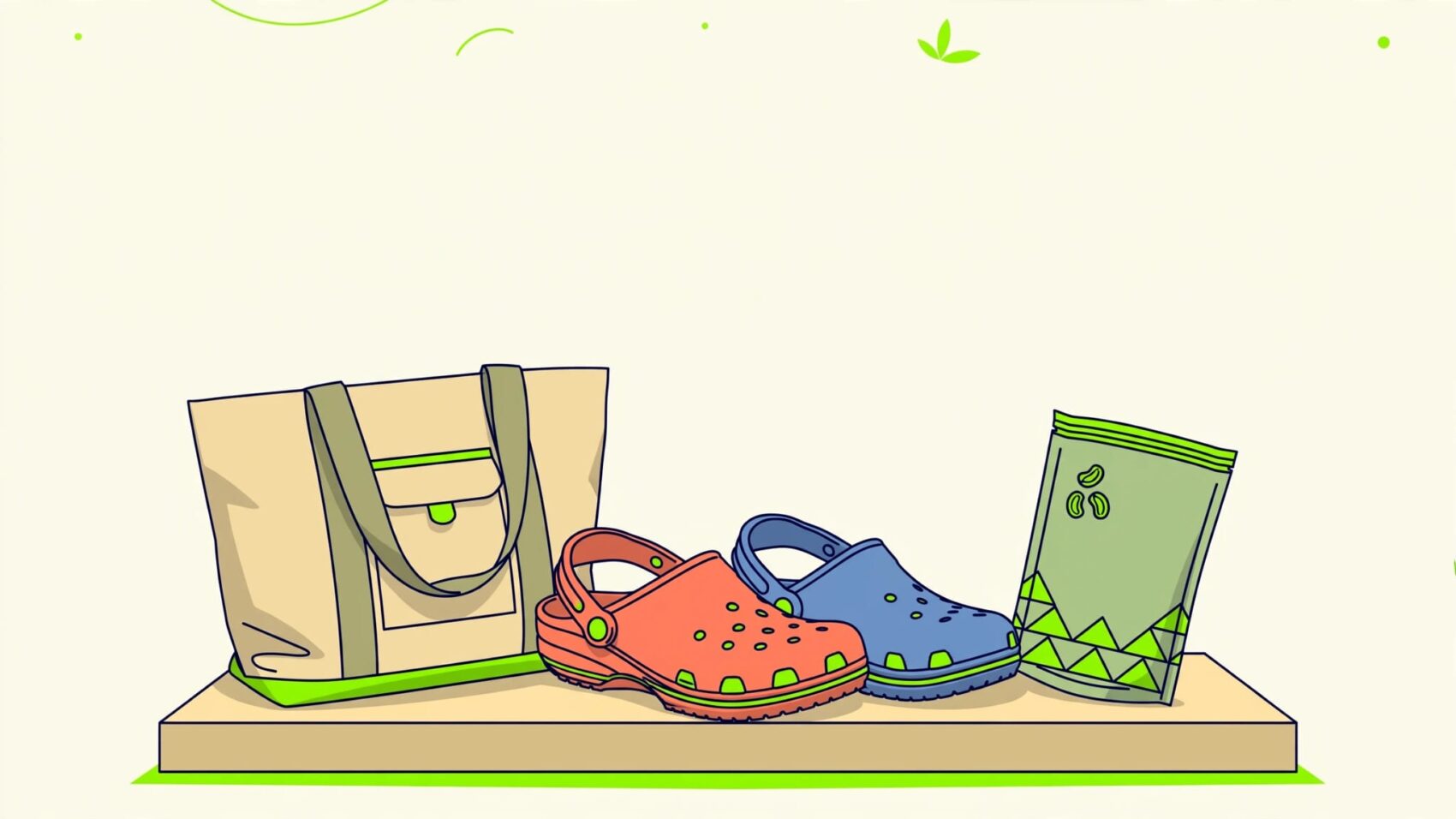
Rachele describes sweaters, tote bags, and a coffee-cup cover that looks like a small L.L.Bean sweater. The products bring Dunkin’s recognizable colors into familiar L.L.Bean apparel and accessories.
Our approach to choosing compatible brand partners considers compatible values and complementary offerings to identify the right partner. In strategic partnerships, shared audiences and shared goals can strengthen brand alignment and support mutual growth.
Don and Rachele also debate whether L.L.Bean counts as fashion. They settle closer to apparel and gear, with the acknowledgment that getting dressed up in the Northeast can look different. Either way, the collaboration gives customers something recognizable from both brands.
What Partnerships Can Create
Some pairings create a new product. Others put an established brand on something its fans already enjoy wearing or collecting.
Merchandise people want to wear
Don remembers the demand for Cartoon Network merchandise when he worked there. The merchandise closet was a prized resource because everyone wanted the swag.
He also recalls KFC apparel and his initial disbelief that people would want to wear it. For him, the interest in those products is a reminder that customers can feel attached to brands well outside conventional fashion.
The Dunkin’ and L.L.Bean products belong in that conversation. Their co-branding pairs Dunkin’ colors with L.L.Bean apparel and accessories, but each item still needs to be something customers want to wear or use. A sweater or tote carries the familiar brand, while the tiny sweater-style cup cover adds a playful connection to coffee.
Sports apparel with a familiar style
Rachele brings up NFL merchandise with Lululemon styling. She can picture their oldest daughter, a 49ers fan, wearing one of the jackets.
Her reaction is concrete: the team identity appeals to the fan, while the clothing style makes the item something she’d want to wear.
The same connection appears in Atlanta sports branding partnerships, where co-branded merchandise can sit alongside shared campaigns and community activities. The partnership gives supporters another way to connect with a team.
Movie Tie-Ins Put Promotions in Familiar Places
Rachele also discusses a Dunkin’ promotion tied to Avengers: Doomsday. Character-themed donuts and drinks show how product integration partnerships can bring a film into familiar settings.
Don sees this as different from an apparel collaboration built around a jointly developed product. It feels closer to a promotional partnership, with the restaurant and film campaign supporting co-marketing.
An in-store poster gives the film another place to appear, while themed products extend the campaign beyond the poster. Together, these placements can support audience reach and brand awareness.
Major movie releases often receive promotion through toys, restaurant tie-ins, and other advertising. Dunkin’ fits that pattern because customers already visit its stores.
Familiar Snack Brands Don’t Always Need Combining
Food mashups get a more skeptical response from Don. He brings up Reese’s and Oreo and questions why familiar snacks need to be combined.
His preference is straightforward: let each product remain itself.
Rachele pushes back with the possibility that the combination might taste great. Neither claims to have tried the products they’re discussing, so the disagreement stays with their reactions to the idea.
Don also acknowledges the business logic. He assumes companies expect a market for these products if they’re willing to make and promote them. His own lack of interest doesn’t mean another customer won’t want the combination.
That distinction keeps the conversation honest: personal taste and customer demand aren’t necessarily the same thing.
Crocs Can Be Practical and Ridiculous
Crocs gives Don and Rachele plenty to discuss because the brand has appeared in so many collaborations.
Don questions how Crocs remains such a presence, then Rachele points out that he owns a pair. He defends them as practical “outdoor slippers” for quick trips outside.
Their experience with children’s shoes is more enthusiastic. Rachele preferred Crocs to flip-flops because the kids could run without the same concern about tripping. They remember themed pairs featuring Bob the Builder and Darth Vader, character designs that can involve licensing partnerships.
Then there’s the Balenciaga example: a large Crocs shoe with a high heel. Rachele finds the design ridiculous, but it shows how far the same recognizable shoe can stretch.
The children’s character shoes and the Balenciaga design prompt different reactions. Both depend on people recognizing Crocs before noticing what the other brand has added.
A Collaboration Example: Nike and Michael Jordan
Nike and Michael Jordan offer another example of what a recognizable partnership can create. The Air Jordan line brought basketball, fashion, and streetwear together, supporting market expansion by introducing Nike to additional audiences.
Our look at Nike’s collaboration with Michael Jordan describes how the Jordan brand grew alongside the Swoosh rather than replacing it.
There’s an emotional side to that relationship, too. Nike links athletic products with determination and motivation, giving a brand meaning beyond a shoe’s function. The association between Michael Jordan and basketball performance could strengthen brand credibility with fans.
That also connects with the merchandise discussion: people can want a product because of what they associate with the name on it.
Partnership and Collaboration Aren’t Fixed Labels
Rachele asks whether a brand partnership differs from a collaboration, or whether “collab” belongs more to influencer marketing.
Don doesn’t offer a universal definition. “Partnership” may suggest shared involvement, but the word alone doesn’t establish how businesses divide the work or money.
Some labels describe the work itself. Content partnerships center on shared content, distribution partnerships on access to channels, and technology partnerships on combining technical capabilities. Creator partnerships involve working with an individual creator.
He sees “collab” partly as a public-facing marketing choice. When a lifestyle brand works with a musician or celebrity, the term encourages people to notice the association and the endorsement it suggests.
Planning a collaborative strategy means deciding what each side contributes. Resource sharing can support cost efficiency, depending on the partners’ goals.
A term sheet can outline responsibilities and commercial terms before negotiation. The label alone doesn’t define the final agreement.
Calling something a “collab” shapes how the public sees the relationship. It doesn’t reveal the business arrangement behind it.
That uncertainty matters when comparing examples. A character-themed shoe, a movie promotion, and a jointly branded sweater can all involve two familiar names without being the same kind of deal.
Don and Rachele leave room for those differences rather than forcing every example into a strict definition.
Frequently Asked Questions
What makes a brand partnership a good fit?
The partners should have compatible values and complementary offerings. Shared audiences and goals can strengthen brand alignment, and the resulting product still needs to appeal to customers.
Does a brand partnership mean the same thing as a collaboration?
The terms don’t have fixed definitions. Calling something a “collab” can draw attention to the association, but the label doesn’t explain how the businesses divide the work or money.
How do movie tie-ins support a brand partnership?
A movie tie-in can place a film in familiar settings, such as a restaurant, through themed products and in-store posters. These promotions give the campaign more places to reach audiences and build brand awareness.
How can businesses assess whether a partnership is working?
They can track customer response and ROI, while checking whether the product genuinely appeals to customers. Recognizable names can attract attention, but that alone doesn’t establish success.
The Product Has to Carry the Pairing
The strongest thread in the conversation is customer appeal. Rachele can picture a 49ers fan wearing a particular jacket, while Don remembers how much people wanted Cartoon Network merchandise.
Snack mashups and high-heeled Crocs get more divided reactions. Recognizable names earn attention, but strong reactions alone don’t establish success for revenue-driving brand partnerships.
Businesses can use performance tracking to assess customer response and ROI alongside whether the product genuinely appeals.
About The Author



Comments are closed.