
Most B2B companies don’t have an advertising problem. They have a misunderstanding of how advertising works.
Too often, advertising is treated like a short-term lever—run a campaign, generate leads, move on. But in B2B, where sales cycles are long and decisions involve multiple stakeholders, that approach falls apart.
The reality is this: how advertising works in B2B is fundamentally different than in consumer markets. It’s less about instant conversion and more about sustained visibility, credibility, and influence over time.
At MOCK, we’ve seen it firsthand brands that invest in consistent, strategic advertising win. Not because they shout louder, but because they show up smarter, more often, and in the right places.
This guide breaks down how advertising works in a B2B context—and how to use it to drive real business outcomes.
1. Understanding the Basics of Advertising
At its core, advertising is about creating awareness and shaping perception. In B2B, that means getting your brand in front of the right decision-makers before they’re actively looking to buy. Because when they are ready, they don’t start from scratch. They choose from the brands they already know. That’s how advertising works.

Awareness Comes First
No awareness = no consideration. If your brand isn’t visible, it’s not in the conversation. Advertising builds that baseline awareness so when opportunities arise, your brand is already familiar.
Consistency Beats Campaigns
One-off campaigns rarely move the needle in B2B. Consistency—showing up week after week, month after month—is what builds recognition and trust.
Advertising Supports Sales
Advertising doesn’t replace sales—it makes sales easier. It shortens conversations, builds credibility, and reduces friction in the decision-making process.
2. Key Elements of Effective Campaigns
Understanding how advertising works means understanding what makes campaigns effective.
Clear Positioning
If your messaging isn’t clear, your advertising won’t work. Strong campaigns start with a defined position:
- What you do
- Who it’s for
- Why it matters
No ambiguity.
Focused Messaging
Trying to say everything usually results in saying nothing. Effective campaigns focus on a single idea and execute it clearly across all touchpoints.
Creative That Cuts Through
In B2B, creative is often overlooked. That’s a mistake. Decision-makers are still people. They respond to bold ideas, strong visuals, and memorable messaging—just like anyone else.
Repetition and Reach
Advertising works through repetition. The more consistently your audience sees your message, the more familiar—and credible—your brand becomes.
3. Types of Advertising Strategies
There’s no single approach to advertising. Different strategies serve different purposes within the broader marketing ecosystem.
Brand Advertising
Brand advertising focuses on awareness and perception. It’s not about immediate leads—it’s about building mental availability, so your brand is remembered when it matters.
Performance Advertising
Performance campaigns are designed to drive specific actions:
- Form fills
- Demo requests
- Downloads
They’re measurable and often tied to short-term goals.
Account-Based Advertising
In B2B, account-based strategies target specific companies or decision-makers. This approach allows for highly tailored messaging and more efficient use of budget.
Content-Led Advertising
Promoting valuable content—guides, case studies, insights—helps position your brand as a thought leader. This builds trust before a sales conversation even begins.
4. The Role of Target Audiences
If you misunderstand your audience, nothing else matters. A key part of how advertising works is delivering the right message to the right people at the right time.
Defining Decision-Makers
B2B purchases often involve multiple stakeholders:
- Executives
- Procurement
- Technical teams
- End users
Each group has different priorities.
Segmenting Audiences
Not all prospects are the same. Segmenting audiences by industry, company size, or role allows for more relevant messaging.
Meeting Them Where They Are
Your audience isn’t everywhere—and neither should you be. Focus on the channels they use:
- LinkedIn for professional targeting
- Industry publications
- Trade events
- Targeted digital platforms
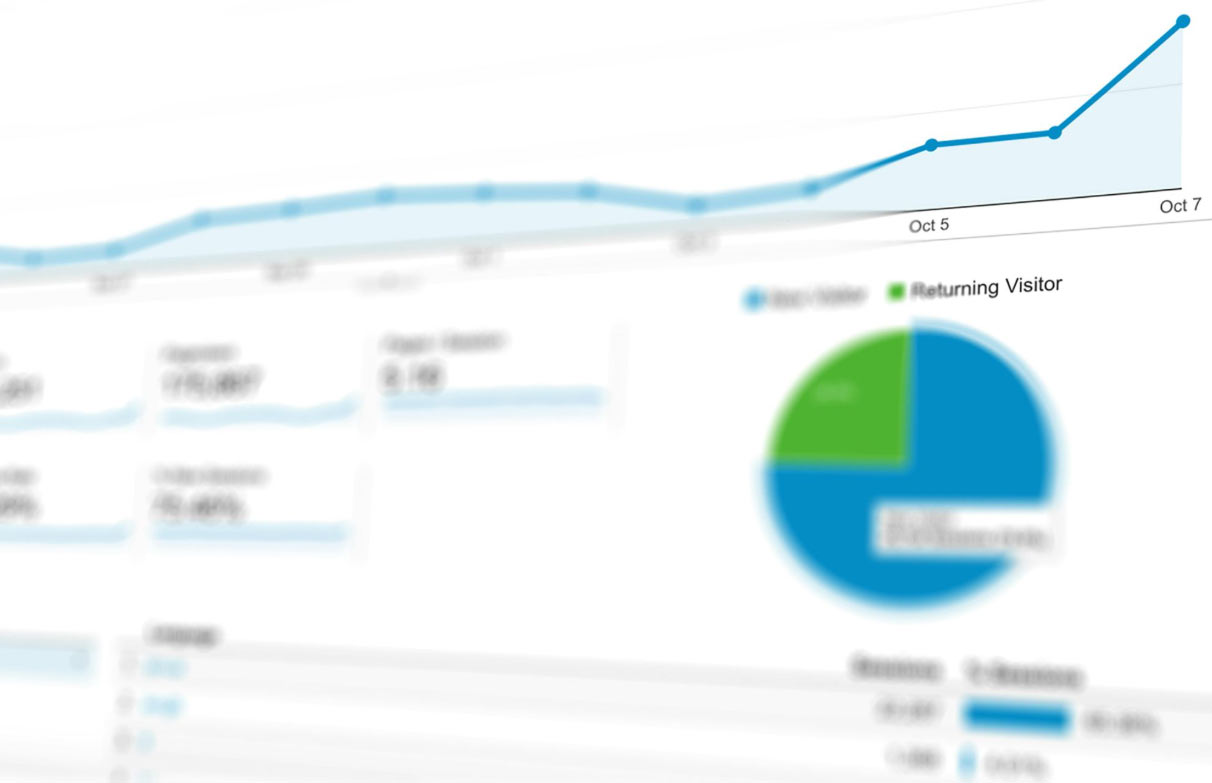
5. How Brands Measure Success
One of the biggest misconceptions about advertising is how it’s measured.
Beyond Immediate ROI
Not every campaign will produce instant leads—and that’s okay. Advertising builds long-term value that isn’t always immediately visible.
Key Metrics to Track
That said, performance still matters. Common metrics include:
- Impressions and reach
- Engagement rates
- Click-through rates
- Conversion rates
- Pipeline influence
Attribution Is Complex
In B2B, attribution is rarely linear. A prospect might see an ad, read a blog, attend a webinar, and then convert months later. Advertising plays a role—even if it’s not the final touchpoint.
6. Digital vs Traditional Advertising
Both digital and traditional channels play a role in how advertising works.
Digital Advertising
Digital channels offer precision and measurability.
- Search ads capture intent
- Social ads target specific audiences
- Display ads build awareness
They allow for real-time optimization and detailed performance tracking.

Traditional Advertising
Traditional channels still have value, especially for brand building.
- Outdoor
- Radio
- Events
They often provide broader reach and can reinforce digital efforts.
Integrated Approach
The most effective strategies combine both. Digital drives targeting and measurement. Traditional builds scale and credibility.
7. The Psychology Behind Advertising
Advertising works because it influences how people think and feel.
Familiarity Builds Trust
People prefer what they recognize. Repeated exposure to a brand increases trust—even if subconsciously.
Emotion Drives Decisions
Even in B2B, decisions aren’t purely rational. Buyers consider risk, reputation, and confidence—not just features and pricing.
Simplicity Wins
Complex messaging creates friction. Clear, simple ideas are easier to understand—and remember.
Social Proof Matters
Case studies, testimonials, and recognizable clients reinforce credibility. They show that others trust your brand—which makes new buyers more comfortable doing the same.
8. Future Trends in Advertising
The way how advertising works continues to evolve.
AI and Automation
AI is changing how campaigns are created, optimized, and personalized. From audience targeting to creative generation, automation is increasing efficiency.
Personalization at Scale
Advertising is becoming more tailored to individual users. Dynamic content and data-driven targeting allow for more relevant messaging.
Privacy and Data Changes
As privacy regulations evolve, advertisers must adapt to new ways of targeting and measurement. First-party data is becoming increasingly important.
Content and Brand Convergence
The line between content and advertising is blurring. The most effective campaigns feel less like ads—and more like valuable content.
Conclusion
Understanding how advertising works in B2B the difference is between wasted spend and sustained growth. It’s not about quick wins. It’s about building visibility, shaping perception, and influencing decisions over time.
The brands that win are the ones that:
- Show up consistently
- Communicate clearly
- Invest in creativity
- Measure intelligently
At MOCK, we don’t believe in advertising for the sake of it.
We believe in advertising that works.
For more information about MOCK, the agency can help your business get noticed, let’s have a conversation.
About The Author






Comments are closed.