
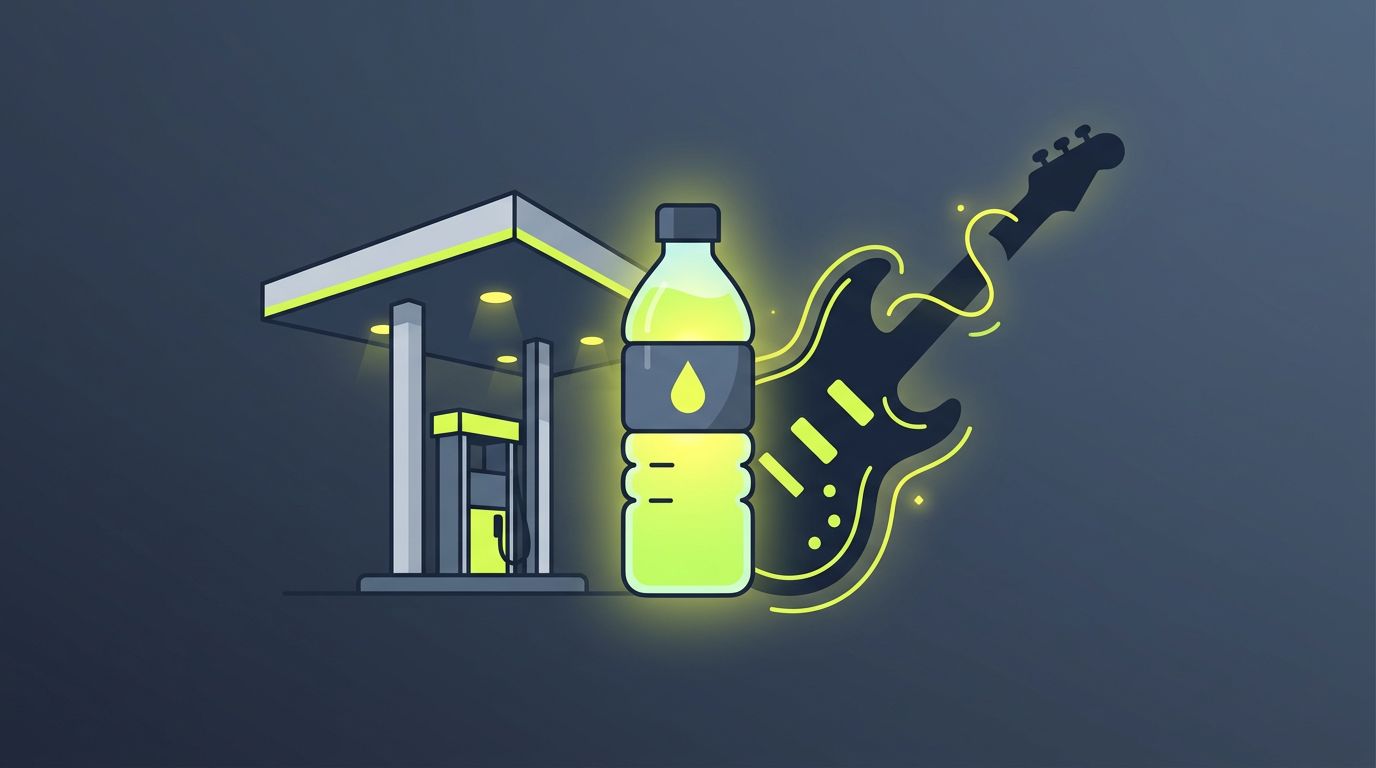
A gas station, a water bottle, and a prog rock band belong in the same conversation because they define how brand loyalty forms when people feel attached to an identity, a story, and a group. Understanding this connection is essential for building deep customer loyalty that lasts beyond a single transaction.
If you work in marketing, you know that the hard part is not just generating brand awareness to get attention. The real challenge of any effective marketing strategy is earning repeat attention. That is why studying brands with cult followings is so useful for understanding how to secure long-term brand loyalty.
Key Takeaways
- Identity as an Anchor: Brand loyalty is deeply tied to personal identity; when customers feel a brand helps them express who they are, they are far more likely to stay committed over the long term.
- Authenticity and Consistency: Whether in music or retail, fans demand authenticity. Brands must honor their core essence while maintaining consistent behavior to avoid alienating their most dedicated followers.
- The Power of Belonging: High-performing brands like Buc-ee’s and Yeti transform standard transactions into community experiences, turning products into badges of identity that foster organic advocacy.
- Story Over Logic: While rewards programs and convenience influence behavior, a compelling brand narrative is what truly builds emotional trust and ensures long-term customer retention beyond simple price comparisons.
Identity makes loyalty possible
The discussion starts in sticky Southern summer weather, then slides into a memory about touring SCAD in Savannah and deciding to shave off long heavy-metal hair because the humidity was unbearable. It is a funny opener, but it lands on a sharp point. When your brand identity is that recognizable, it becomes a core element of your brand loyalty.
That is why the joke about Coheed and Cambria works. Claudio Sanchez’s hair is not a side detail. It is part of the visual memory people carry with them. The same goes for someone like Carrot Top. Change the signature too much, and people feel like the brand shifted.
Brands work the same way. A logo helps, but brand identity is bigger than a mark. It is tone, consistency, behavior, packaging, and what people expect before they even touch the product.
People stay loyal to what helps them say something about themselves.
That is why some buyers stick with the same clothing label for years. The fit works, the look feels right, and the decision regarding customer loyalty gets easier every time.
Rush proves authenticity still matters
Rush is the cleanest example in the episode because music fandom is a powerful driver of brand loyalty, and musical communities can be brutally honest. Neil Peart remains the standard for a huge number of drummers, so any attempt to move forward without him was always going to face resistance.
The initial reaction was predictable: “It is not Rush without Neil.” However, when weighing the customer feedback, it became clear that fans were skeptical of change until they saw the results. Then, clips from the new live setup started to circulate, especially performances of “YYZ” and “Tom Sawyer.” Those songs are hard enough on paper. They are harder when the audience knows every fill by heart.
What won people over was not only technical skill. Anika Nilles earned respect because she approached the catalog in two stages. First, she learned it piece by piece. Then, she worked on the feel, the phrasing, and what one host called the “Rush way” of playing it.
That distinction matters. Fans did not want a replica. They wanted someone who could honor the music without sounding forced. Praise from musicians and interviewers like Rick Beato and Eddie Trunk helped, but the acceptance came from the playing itself.
Rush also leaves nowhere to hide. It is a three-piece band, and each member feels like a lead. This structure is essential to their brand identity. Add the fact that the fan base has long leaned male, and bringing in a female drummer changes the picture in a smart way. It broadens the target audience, allowing more people to see themselves on stage without weakening the core essence of the band.
Buc-ee’s, Stanley, and Yeti sell belonging
Buc-ee’s is perhaps the most unique and effective example of modern brand loyalty. It began as a small roadside gas station, but it has evolved into a premier highway attraction defined by walls of snacks, massive crowds, and high-energy atmosphere. This elevated customer experience turns a simple fuel stop into a destination. Even those who do not personally enjoy the chaos recognize the immense pull of the brand.
Part of that pull is repetitive brand awareness. You see the billboards from miles away, followed by the mascot and the ubiquitous merchandise. When someone wears Buc-ee’s sweatpants or displays the sticker on a car, they are engaging in word-of-mouth advocacy. The store stops being a pit stop and becomes a badge of identity. This emotional connection created by the mascot drives the brand advocacy that keeps fans returning.
The same instinct appears in fashion. People maintain brand loyalty with labels like Coach, Calvin Klein, or Kate Spade because that long-term familiarity becomes a core part of the purchase. As the collection grows, so does the identity of the wearer.
Water bottles illustrate how quickly these trends move. One day, every member of the target audience needs a Stanley cup. The next day, calling a competitor product a Stanley feels like a social error. Trends move fast, and the pressure to own the right object can make an ordinary bottle feel like a status symbol with a high Net Promoter Score.
Yeti occupies a different lane because it successfully mixes utility with image. Their advertising is simple and memorable, utilizing cinematic shots, a centered logo, and bold typography. The company sells a feeling of toughness and outdoor credibility, which contributes to the high perceived value of their products. Even so, the conversation remains honest. While the hard coolers receive consistent praise, customer feedback on the soft backpack cooler highlights issues with it being heavy, awkward, and difficult to open. Ultimately, even the most successful brands rely on consistent customer satisfaction to ensure their products actually work.
Rewards programs turn habit into preference
Sometimes brand loyalty has less to do with love and more to do with momentum. Hotel and airline loyalty programs understand this dynamic perfectly. Platforms like Marriott Bonvoy, Delta SkyMiles, and American Express points turn every transaction into a score that people want to keep improving, effectively leveraging repeat purchase behavior to secure long-term engagement.
That is why travelers narrow their options even in cities packed with hotels. If the room has a bed, a light switch, and the stay contributes to their lifetime value and status tier, the decision feels effortless. Airline loyalty programs work the same way. Delta builds habit through routes, service, and an app that encourages travelers to track their progress, creating a significant competitive advantage that keeps them locked into the ecosystem.
Recognition also plays a vital role in customer retention. Once a brand acknowledges a user by name or status, the customer experience feels more personal. That level of dedicated service often ensures higher customer satisfaction, which keeps individuals around even when a competitor offers a decent alternative. JetBlue may be a perfectly good flight, but the pull of an established reward system is hard to break.
For any Graphic Design & Advertising Agency, this is a useful reminder. Building brand loyalty is not only visual; it is behavioral. Strong positioning, consistent messaging, and a repeatable customer journey all matter. This is why expert graphic design and advertising services must connect brand identity with real repeat purchase behavior to foster lasting customer loyalty.
Tech used to feel magical, now it feels less reliable
Apple once turned product launches into pop culture events. The I’m a Mac era, the live keynotes, and the Steve Jobs one more thing moment made technology feel theatrical. People lined up because they wanted to be part of the reveal.
That feeling has cooled. New announcements now feel more polished and less electric, including the latest push to make Siri more AI-ready. While the technology is advanced, customer satisfaction often lags when features feel forced or unnecessary. The conversation around that shift is not only about presentation; it is about reliability.
There are more features everywhere, yet many people feel like tech works worse than it did 10 years ago. Big services go down. Calls drop. Comcast has outages. Spam calls still get through, and constant digital noise creates a poor customer experience. For marketers, that is not a side issue. A brand promise gets weaker when the everyday experience feels shaky. When technical performance suffers, the churn rate often increases as users look for more stable alternatives.
While attention can be bought for a while, brand trust cannot. We see this in the cooling of hype captured through customer feedback, which suggests that long-term brand loyalty is now built on consistent performance rather than just a keynote spectacle.
Story keeps fans around longer than logic does
The strongest thread in the customer journey is the power of a compelling story. People stay with brands, bands, shows, and teams when they feel like they are active participants in the narrative. This emotional connection is what fosters genuine brand loyalty over the long term.
That is why fandom can get messy. Star Wars, Star Trek, and Game of Thrones fans do not only watch; they feel a sense of ownership. The same dynamic exists in sports. People move across the country and still keep their home team, proving that brand loyalty transcends geography. Knicks fans stay Knicks fans, and soccer supporters plan their entire week around a match. When fans are this invested, their enthusiasm often leads to organic brand advocacy, as they share the story with others.
Once people feel that level of connection, price and convenience matter less. They still play a role, but they stop being the primary drivers of customer loyalty. By prioritizing a narrative, companies can build significant brand trust, which serves as a powerful competitive advantage.
If a business wants that kind of staying power, it needs more than a standard marketing strategy. It needs a distinct brand identity, consistent behavior, and a story that resonates. When you successfully weave these elements together, you improve customer retention and increase the lifetime value of your audience. If your goal is to build lasting brand loyalty through better storytelling, get in touch for a free consultation at https://mocktheagency.com/contact/.
Frequently Asked Questions
Why do some brands create cult followings while others struggle to keep customers?
Cult followings are built on a shared sense of identity and story rather than just product utility. When a brand gives customers a way to signal their values or personality, the connection becomes emotional, making the customer feel like an active participant in the brand’s narrative.
Can a rewards program guarantee long-term brand loyalty?
Rewards programs are excellent for building habit and increasing repeat purchase behavior, but they are not a substitute for brand trust. While they create a logistical reason for a customer to stay, a strong emotional connection is still required to prevent users from switching when a competitor offers a better incentive.
How does brand identity impact customer retention during periods of change?
Strong brand identity acts as a buffer during transitions, provided the core promise remains intact. When fans or customers understand the “why” behind a brand, they are more willing to accept changes—like a new band member or a product update—if the transition honors the original vision and quality.
Does technical performance still matter if a brand has a strong story?
Yes, consistent performance is the foundation of brand trust. Even the most compelling story will eventually fail if the everyday customer experience is shaky or unreliable, as repeated technical issues or poor service will inevitably lead to increased churn.
Final thoughts
A cult following does not begin with obsession. It begins with recognition. When a superior customer experience fosters genuine customer satisfaction, people see themselves in the brand. They build brand trust, and as they return, this positive reinforcement turns casual interest into long-term brand loyalty.
This cycle is evident across diverse industries, from the rock band Rush to retailers like Buc-ee’s, Yeti, Apple, and professional sports teams. While the specific names change, the underlying pattern of repeat purchase behavior remains the same. True brand loyalty is fueled by a consistent commitment to the audience, which in turn strengthens customer loyalty over time. By prioritizing a sense of belonging, businesses secure better customer retention rates than those relying on logic alone. Ultimately, the brands that last are those that cultivate deep brand loyalty by giving people a community to belong to.
About The Author





Comments are closed.