

For many small companies, the internet is the most powerful tool for reaching new customers. Whether someone is searching for a local service, researching a product, or comparing providers, search engines play a central role in how purchasing decisions are made. This is why SEO for small businesses has become one of the most important strategies for sustainable growth.
Search engine optimization helps businesses improve their visibility in search results so that potential customers can easily find them. When done correctly, SEO increases organic traffic, builds credibility, and generates qualified leads without relying entirely on paid advertising.
This guide explores what SEO for small business means, why it matters, and how small companies can implement effective strategies to improve their online presence.
1. What Is SEO for Small Business?
SEO for small business refers to optimizing a company’s website and online presence so it appears prominently in search engine results when people search for relevant products or services.
Search engines like Google use complex algorithms to determine which websites appear in search results. These algorithms evaluate factors such as relevance, authority, page speed, user experience, and content quality.
For small businesses, SEO involves several core activities:
- Creating high-quality content that answers customer questions
- Optimizing website pages with relevant keywords
- Improving site structure and user experience
- Building credibility through backlinks and citations
- Enhancing local search visibility
Unlike paid advertising, SEO focuses on earning organic search traffic. This means businesses can attract potential customers without paying for each click.
While SEO takes time to produce results, it often delivers long-term benefits that continue generating traffic and leads for years.
2. Key Benefits of SEO for Small Companies
Investing in SEO offers significant advantages for small businesses competing in crowded markets.
Increased Online Visibility
One of the biggest benefits of SEO for small businesses is improved visibility. When a company appears on the first page of search results, it becomes far more likely that potential customers will visit its website.
Most users rarely scroll past the first page of results, making top rankings critical for attracting traffic.
Higher Quality Website Traffic
SEO attracts users who are actively searching for products or services. These visitors are often further along in the buying process, which increases the likelihood of conversion.
Compared to traditional advertising, SEO traffic tends to be more targeted and valuable.
Cost-Effective Marketing
While SEO requires time and effort, it often provides a better long-term return on investment than many paid advertising campaigns.
Once a page ranks well in search results, it can continue generating traffic without additional advertising spend.
Building Trust and Credibility
Websites that appear at the top of search results are often perceived as more credible by users. Strong SEO signals—such as quality content, secure websites, and authoritative links—help establish trust with both search engines and potential customers.

3. How to Choose SEO Services
Many small businesses rely on professional SEO services to help manage and implement optimization strategies. Choosing the right partner is critical to achieving meaningful results.
Evaluate Experience and Expertise
Look for agencies or consultants with proven experience in SEO for small business. Review case studies, client testimonials, and examples of previous work.
Focus on Transparent Strategies
A reputable SEO provider should clearly explain their approach and avoid making unrealistic promises. SEO results take time, and ethical practices are essential for long-term success.
Prioritize Customized Solutions
Every business has unique goals and challenges. Effective SEO services should tailor strategies to your industry, target audience, and competitive landscape.
Ensure Clear Reporting
Tracking performance is essential for measuring SEO success. Choose providers who offer transparent reporting and regular updates on progress.
4. Local SEO Strategies That Work
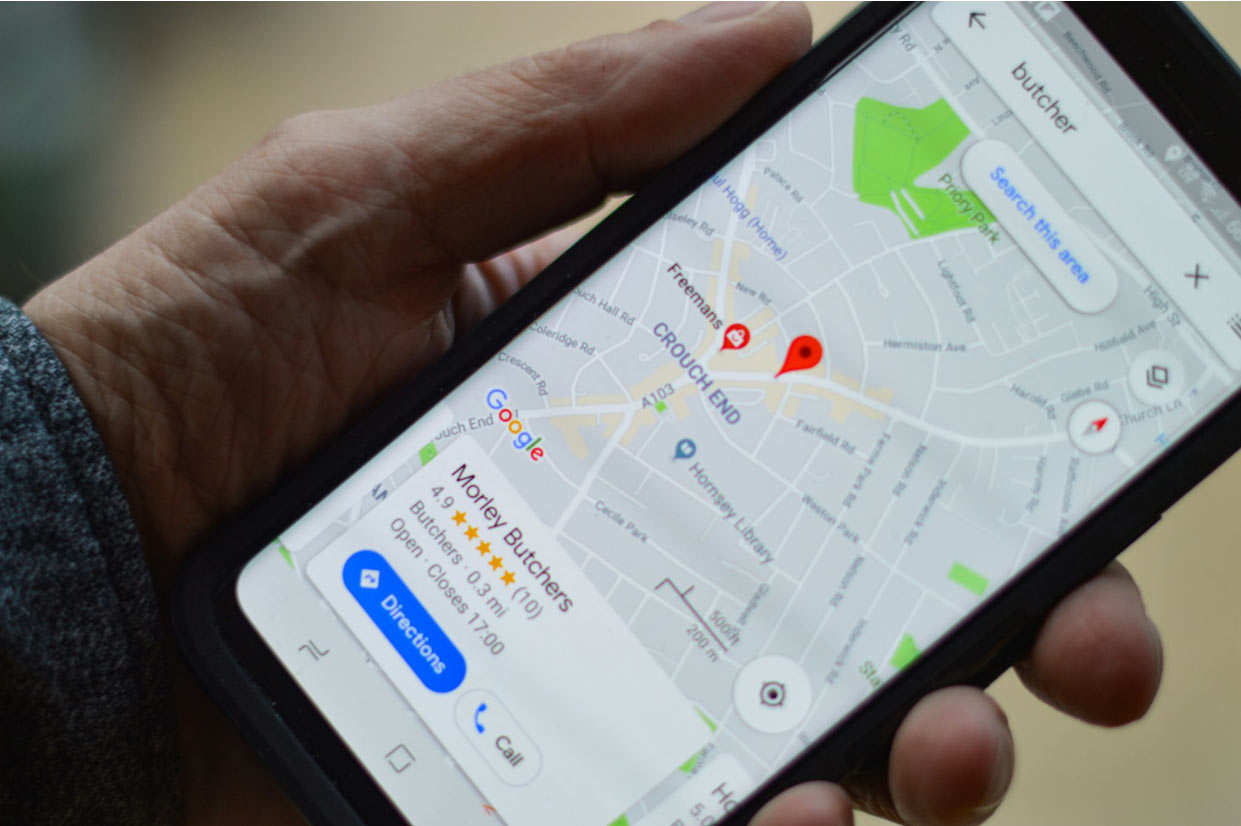
For many small companies, local customers represent the most important market. Local SEO helps businesses appear in location-based searches such as “coffee shop near me” or “Atlanta marketing agency.”
Optimize Your Google Business Profile
Your Google Business Profile is one of the most important tools for local SEO. Ensure your profile includes accurate business information, photos, hours of operation, and customer reviews.
Use Location-Based Keywords
Incorporating geographic keywords into website content helps search engines understand where your business operates.
For example, instead of simply targeting “digital marketing agency,” a business might optimize for “Atlanta digital marketing agency.”
Build Local Citations
Citations are online listings of your business name, address, and phone number. Consistent citations across directories improve credibility and local search visibility.
Encourage Customer Reviews
Positive reviews not only influence consumer decisions but also improve search rankings. Encourage satisfied customers to leave reviews on platforms like Google.
5. Essential SEO Tools for Small Businesses
Several tools can help small companies manage and improve their SEO efforts.
Google Analytics
Google Analytics provides detailed insights into website traffic, user behavior, and conversion patterns. It helps businesses understand how visitors interact with their website.
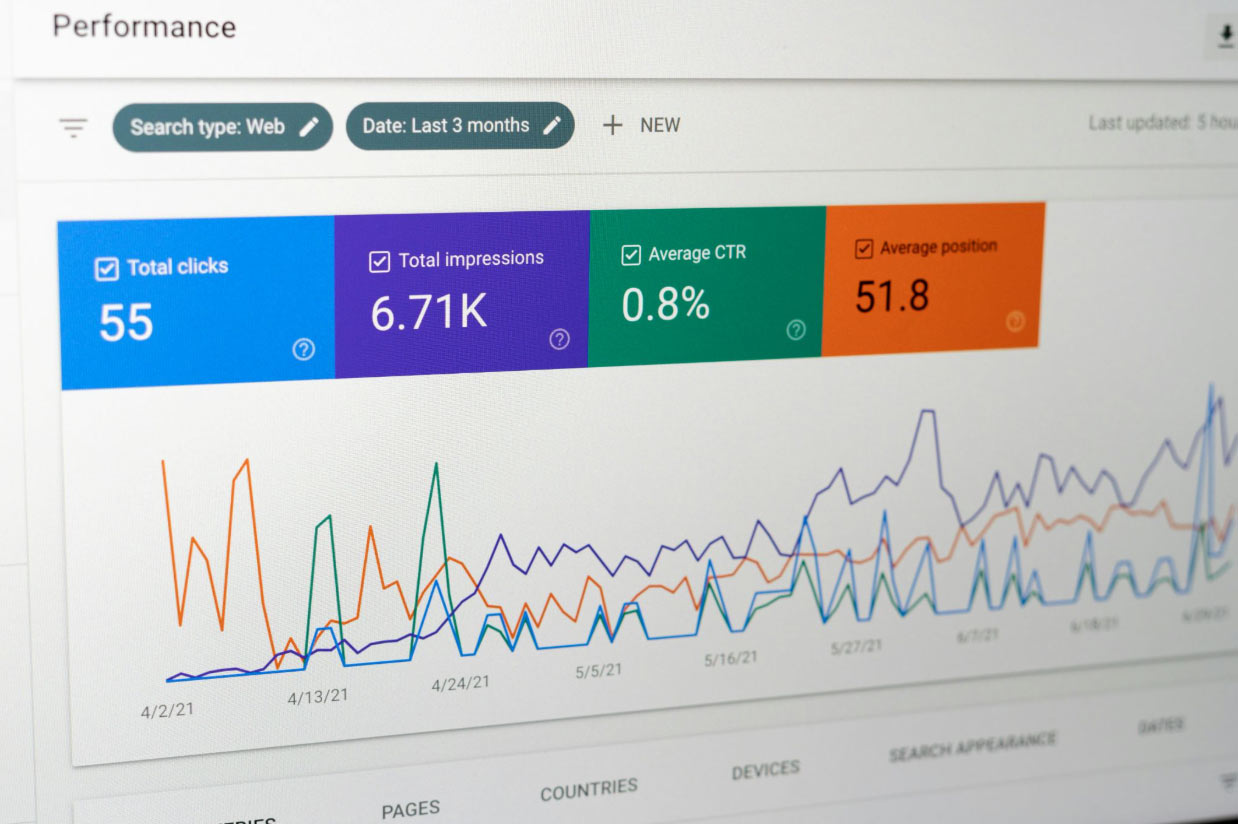
Google Search Console
Search Console shows how your website appears in search results and highlights issues affecting performance.
Keyword Research Tools
Tools such as SEMrush, Ahrefs, and Ubersuggest help businesses identify keywords that potential customers are searching for.
Website Optimization Tools
Platforms like Yoast SEO or Rank Math assist with on-page optimization by guiding content creators through keyword usage, metadata, and readability improvements.
Using these tools allows businesses to monitor performance and refine their strategies over time.
6. Common SEO Mistakes to Avoid
While SEO offers powerful benefits, certain mistakes can limit its effectiveness.
Ignoring Keyword Research
Creating content without understanding what users are searching for can result in missed opportunities. Keyword research helps ensure content aligns with real search demand.
Poor Website Structure
Search engines prioritize websites that are easy to navigate and understand. Poor site architecture can make it difficult for search engines to index pages effectively.
Slow Website Performance
Page speed is an important ranking factor. Slow-loading websites often result in higher bounce rates and lower search visibility.
Duplicate Content
Using the same content across multiple pages can confuse search engines and weaken rankings.
Neglecting Mobile Optimization
With most searches occurring on mobile devices, websites must be optimized for mobile users. Responsive design and fast mobile performance are essential.
Avoiding these mistakes helps businesses maintain strong search performance and user satisfaction.
7. Tracking SEO Success for Your Business
SEO success should be measured through clear performance metrics. Tracking results allows businesses to refine their strategies and focus on the most effective tactics.
Organic Traffic Growth
One of the most important indicators of SEO success is an increase in organic website traffic.
Keyword Rankings
Monitoring keyword rankings helps determine whether optimization efforts are improving visibility for targeted search terms.
Conversion Rates
Ultimately, SEO should generate leads or sales. Tracking conversions helps determine how effectively traffic is turning into customers.
Engagement Metrics
Metrics such as time on site, bounce rate, and page views provide insights into user behavior and content effectiveness.
Regular analysis ensures SEO strategies remain aligned with business goals and market changes.
Conclusion
SEO for small businesses is one of the most effective ways to increase online visibility and attract new customers. By optimizing website content, implementing local SEO strategies, and using the right tools, small companies can compete with larger competitors in search results.
While SEO requires patience and ongoing effort, the long-term benefits—greater visibility, targeted traffic, and stronger brand credibility—make it a valuable investment for businesses seeking sustainable growth.
For companies willing to commit to a thoughtful SEO strategy, the opportunities to expand reach and build lasting customer relationships are substantial.
For more information about MOCK, the agency can help your business get noticed, let’s have a conversation.
About The Author






Comments are closed.