

In today’s digital-first economy, your website is often the first interaction potential customers have with your brand. A well-designed website does more than look attractive—it communicates credibility, improves search visibility, and guides visitors toward meaningful actions. This is why effective web design and development is essential for businesses seeking to establish a strong online presence.
From intuitive user interfaces to optimized backend architecture, successful websites blend visual design with technical performance. Businesses that invest in thoughtful web design and development strategies can create experiences that engage visitors, build trust, and convert traffic into customers.
This guide explores the fundamentals of web design and development, including coding processes, development frameworks, and the importance of accessibility and user experience.
1. Web Design and Development Basics
Web design and development work together to create functional, engaging digital experiences. While these disciplines are closely related, they focus on different aspects of website creation.
Web design refers to the visual and experiential elements of a website. Designers focus on layout, typography, color schemes, imagery, and user interface components that shape how visitors interact with a site.
Web development, on the other hand, involves the technical implementation of those designs. Developers write code that brings the design to life and ensures the website functions properly across devices and browsers.
Together, these disciplines create websites that are both visually appealing and technically reliable.
Several core principles define successful web design and development:
User Experience (UX)
User experience focuses on how easily visitors can navigate and interact with a website. A well-structured layout helps users find information quickly, reducing frustration and increasing engagement.
Responsive Design
Modern websites must function seamlessly across devices, including desktops, tablets, and smartphones. Responsive design ensures content adapts to different screen sizes and resolutions.
Page Speed and Performance
Website performance plays a critical role in both user experience and search engine rankings. Slow-loading pages often lead to higher bounce rates and lost opportunities.
SEO Integration
Search engine optimization should be incorporated during the design and development process. Clean code, optimized images, and structured content improve search visibility and organic traffic.
By combining these principles, businesses can create websites that attract visitors and support long-term digital growth.

2. Key Steps in Web Design Coding
Behind every well-designed website is a carefully structured coding process. Web design coding involves translating visual designs into functional digital interfaces using programming languages and frameworks.
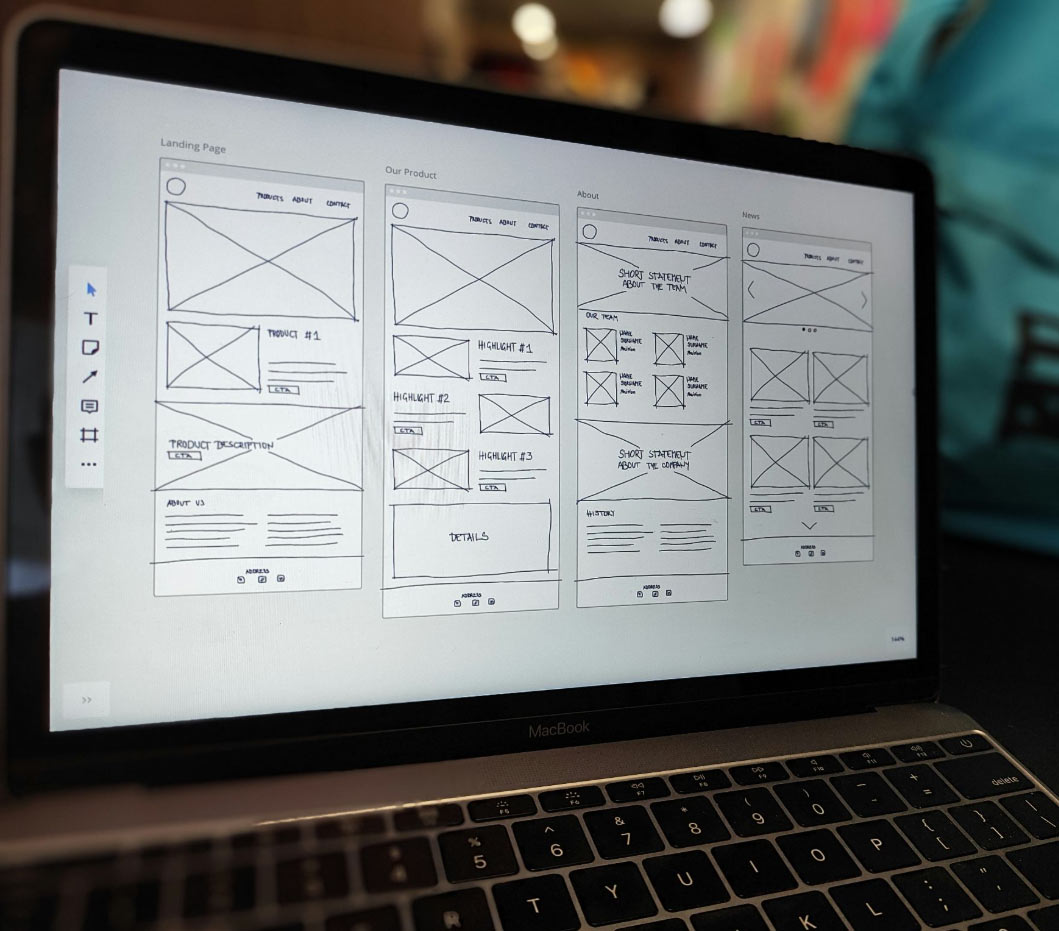
The process typically begins with wireframes or prototypes created by designers. These blueprints outline the structure of each page and guide developers as they begin coding.
HTML Structure
HTML (HyperText Markup Language) forms the foundation of web pages. It defines the structure of elements such as headings, paragraphs, images, and navigation menus.
HTML ensures that content is properly organized and accessible to both users and search engines.
CSS Styling
CSS (Cascading Style Sheets) controls the visual appearance of a website. Designers and developers use CSS to apply colors, fonts, spacing, and responsive layouts.
Modern CSS frameworks allow teams to create consistent design systems across multiple pages and devices.
JavaScript Functionality
JavaScript enables interactive features such as animations, form validation, and dynamic content updates. These interactions enhance the overall user experience by making websites more engaging and responsive.
Content Management Integration
Many businesses rely on content management systems (CMS) such as WordPress to manage website content. Developers often integrate custom designs with CMS platforms so that teams can easily update pages without extensive coding knowledge.
Through these coding steps, web design concepts are transformed into fully functional digital experiences.

3. Understanding Web Design Development
While coding forms the technical backbone of a website, web design development encompasses the broader process of building, launching, and maintaining a digital platform.
Development involves several phases, including planning, design implementation, testing, and ongoing optimization.
Planning and Strategy
Before development begins, teams must define the purpose of the website. Key considerations include target audiences, business goals, and required features.
Strategic planning ensures that the website supports broader marketing objectives and provides measurable value.
Front-End Development
Front-end development focuses on the visible elements of a website—the interface that users interact with directly. This includes navigation menus, content layouts, and visual components.
Front-end developers work closely with designers to ensure that the final product accurately reflects the intended user experience.
Back-End Development
Back-end development manages the server-side components that power website functionality. Databases, application logic, and server configurations ensure that websites operate efficiently behind the scenes.
For example, e-commerce websites rely heavily on back-end systems to process transactions and manage product inventories.
Testing and Optimization
Before launch, websites must undergo extensive testing. Developers verify that pages display correctly across browsers, links function properly, and performance meets expectations.
Continuous optimization after launch ensures that websites remain secure, fast, and aligned with evolving user needs.
4. Web Design for Everybody Explained
One of the most important modern principles of digital design is accessibility. Web design for everybody means creating websites that can be used by people of all abilities, devices, and backgrounds.
Accessibility is not just a regulatory requirement—it is also a key component of good user experience.
Inclusive Design
Inclusive design ensures that websites accommodate users with different abilities. Features such as keyboard navigation, screen reader compatibility, and high-contrast interfaces make digital content accessible to a wider audience.
Mobile Accessibility
Because many users access websites on smartphones, responsive design is essential for ensuring accessibility across devices.
Mobile-friendly navigation, readable text sizes, and optimized images contribute to a positive experience for all users.
Clear Content Structure
Well-organized content improves accessibility and readability. Headings, lists, and descriptive links help users understand information quickly.
Search engines also benefit from clear structure, which can improve SEO performance.
Performance Accessibility
Fast-loading websites benefit everyone, including users with slower internet connections. Optimizing images, minimizing scripts, and using efficient hosting infrastructure help maintain strong performance.
By embracing the concept of web design for everybody, businesses can create digital experiences that are inclusive, engaging, and effective.
The Role of Web Design and Development in Business Growth
A strong website does more than provide information—it serves as the central hub for digital marketing efforts.
Modern web design and development supports a variety of business functions:
- Lead generation and customer acquisition
- E-commerce transactions
- Brand storytelling and content marketing
- Customer support and information access
- Data collection and analytics
By integrating marketing tools, analytics platforms, and CRM systems, businesses can transform websites into powerful engines for growth.
Websites that combine thoughtful design with strong technical foundations often outperform competitors in both user engagement and search rankings.
Future Trends in Web Design and Development
As technology continues to evolve, web design and development will incorporate new capabilities that enhance user experiences.
Emerging trends include:
AI-driven personalization
Websites increasingly use artificial intelligence to deliver customized content based on user behavior.
Voice search optimization
As voice assistants become more common, websites must adapt to conversational search patterns.
Progressive web applications (PWAs)
PWAs combine the functionality of mobile apps with the accessibility of websites.
Advanced performance optimization
New technologies allow developers to deliver faster loading times and improved performance across devices.
Businesses that stay ahead of these trends will be better positioned to maintain a strong digital presence in an increasingly competitive online landscape.
Conclusion
Effective web design and development is essential for businesses seeking to establish credibility and connect with customers online. By combining thoughtful design, strong coding practices, and inclusive user experiences, organizations can create websites that support both marketing goals and long-term growth.
Whether focusing on web design coding, development frameworks, or accessibility through web design for everybody, businesses that prioritize their digital platforms gain a powerful advantage in today’s competitive marketplace.
For more information about MOCK, the agency can help your business get noticed, let’s have a conversation.
About The Author





Comments are closed.